
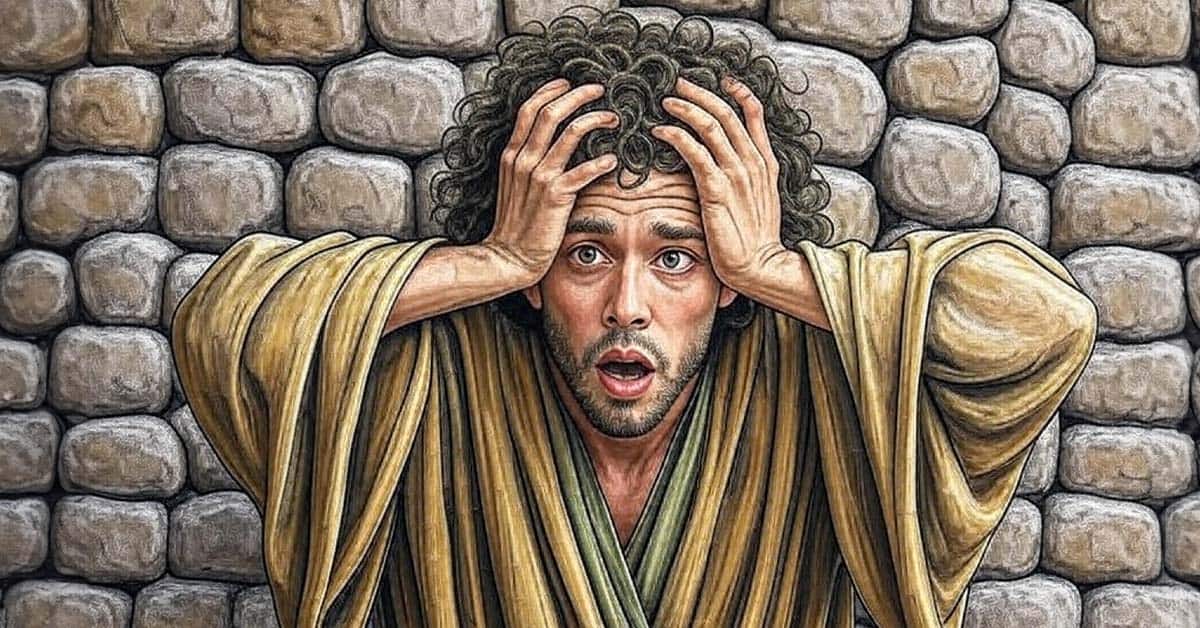
Doubting Thomas Free Lessons, Crafts, and Activities
We’re excited you’re here to explore this meaningful resource on Doubting Thomas from John 20:19-29. This inspiring Bible story, where Jesus patiently addresses Thomas’ doubts about His resurrection, beautifully illustrates God’s grace and the power of faith. Whether you’re a parent, Sunday School teacher, children’s ministry leader, homeschooler, Vacation Bible School coordinator, or passionate about sharing God’s Word, this resource is designed to bring this story to life for kids in a fun, meaningful way!
Quick Reference (click the link to go to that section of the web page)
- Video (Craft Stick Bible Story)
- 3 Free Story Lessons
- 3 Free Crafts
- Free Printable Puppets and Coloring Page
- Bonus Content
“Faith is not a blind leap, but a trusting step toward the God who reveals Himself.”
— Alexander Maclaren
Video: Doubting Thomas (Craft Stick Bible Story)
Have you ever had a hard time believing in something you couldn’t see? Thomas certainly did! Join us for a memorable and winsome Craft Stick Bible Story rendition of Doubting Thomas! In this episode, Jesus appears to some of his followers after his death on the cross. When those followers start telling Thomas they saw Jesus alive again, Thomas doubts and doesn’t believe until he sees Jesus for himself!
The Craft Stick Bible Stories, our cinematic 5-10 minute video series where craft stick puppets and cardboard sets tell the timeless stories of Scripture. Packed with faith, fun, and creativity, this series has delighted kids, families, and Sunday School classrooms in over 50 countries!
Subscribe to our YouTube channel here!
3 Free Doubting Thomas Lessons
Lesson 1: Faith Trusts God Beyond What We See
When Thomas saw Jesus and believed, he received the gentle rebuke, “Have you believed because you have seen me? Blessed are those who have not seen and yet have believed” (John 20:29). Hebrews 11:1 says, “Faith is the assurance of things hoped for, the conviction of things not seen.” We don’t need to touch Jesus’ wounds to trust Him—God has proven Himself faithful, true, and able through His promises and His Son’s resurrection. This lesson reminds us we can have confidence in God even when we can’t see everything ourselves.
Discussion Questions
- Have you ever believed something without seeing it first? How did you come to trust it?
- Why do you think Jesus blessed those who believe without seeing?
- How can we trust God when we don’t have all the answers?
Lesson 2: Missing Fellowship Can Cost Us Joy
Thomas was absent when Jesus first appeared to the disciples, and Matthew Henry notes that this may have been due to sickness, lack of notice, or even fear and folly—choosing other things over meeting with believers (Commentary on John 20:24). By missing that gathering, Thomas lost the joy of seeing Jesus risen and sharing in the disciples’ happiness. Henry warns that those who carelessly skip Christian assemblies don’t know what they lose—Thomas had a lonely, doubtful week until Jesus appeared again. This teaches us to value meeting with other believers, where Jesus often shows Himself and brings us comfort and strength.
Discussion Questions for Lesson 2
- Have you ever missed out on something special because you weren’t there?
- How can being with other Christians help us grow in faith?
- What can we do to make time for church or Bible study with others?
Lesson 3: Jesus Cares for the Weak and Makes Them Witnesses
Charles Spurgeon, a famous preacher, said Jesus took special care with Thomas because He wouldn’t lose even one of His followers—not even the slowest or most doubtful (from My Lord and My God, 1884). Thomas was the only doubter among the eleven, yet Jesus patiently turned his stubborn unbelief into a bold confession: “My Lord and my God!” Jesus didn’t abandon Thomas but made him a powerful witness to the resurrection, showing that He watches over the weak in faith and transforms them for His glory.
Discussion Questions for Lesson 3
- How do you think Thomas felt when he finally believed?
- Can doubting sometimes help us grow stronger in faith?
- How can Jesus use us, even when we feel weak or unsure?
3 Free Doubting Thomas Craft Activities
Craft 1: Thomas’ Touch Handprint
What You Need: Paper, washable paint, and markers.
- Dip your hand in paint and press it onto paper to make a handprint (representing Thomas touching Jesus’ wounds).
- Once dry, draw nail marks on the palm with a marker.
- Write, “Thomas said to Him, ‘My Lord and my God!’” (John 20:28) on the paper.
Why It Helps: Reminds kids of Thomas’ journey from doubt to belief and his bold confession after seeing Jesus.
Craft 2: Doubting Thomas Peak-Through Window
What You Need: Construction paper, scissors, markers or crayons, tape, optional stickers.
- Fold a piece of construction paper in half and cut a small square “window” in the front flap.
- On the inside, draw or color a simple picture of Jesus showing His hands (with nail marks) to Thomas.
- On the outside flap, write “Peace be with you” (John 20:19).
- Open the window to “peek” at Jesus inside, symbolizing Thomas seeing and believing.
- Add stickers for decoration if desired.
Why It Helps: Reflects the moment Jesus appeared and Thomas’ shift from doubt to faith, encouraging kids to think about trusting Jesus.
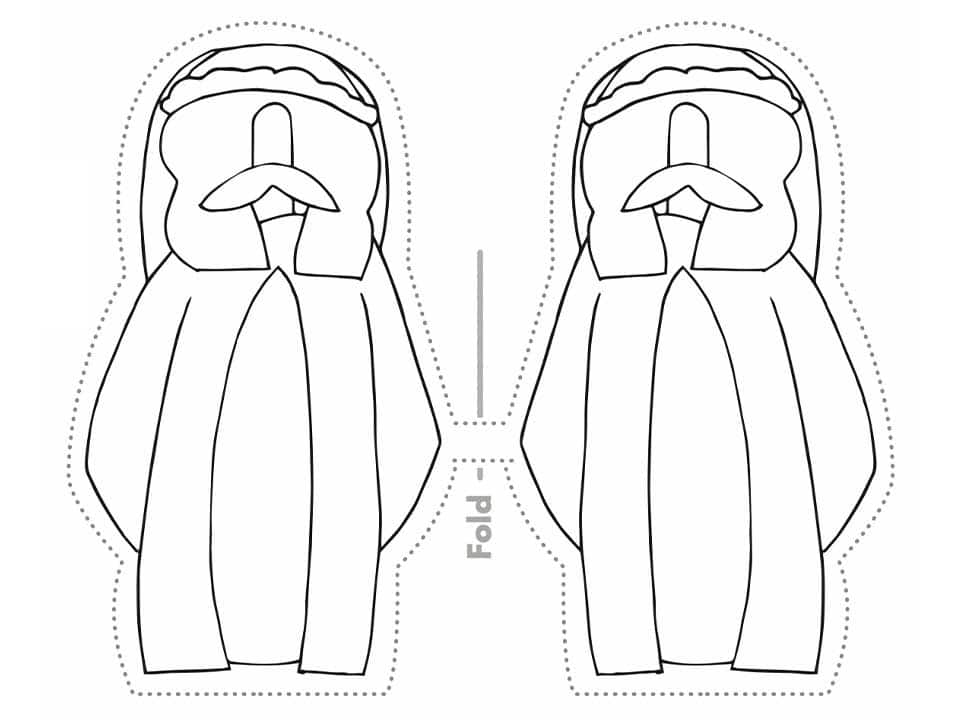
Craft 3: Printable Puppets
What You Need: Printable puppet templates (provided at the end of this guide), scissors, crayons or markers, tape or glue, and either craft sticks or straws.
- Color and cut out the puppet templates of Jesus, Thomas, Peter, and John (found here).
- Tape or glue them to craft sticks, straws, or leave them as paper figures.
- Encourage kids to retell the story based on John 20:19-29.
Why It Helps: Helps kids engage with the story actively, reinforcing the characters’ actions and words through play.
Printable Puppets and Coloring Page
Free Doubting Thomas Printable Puppets
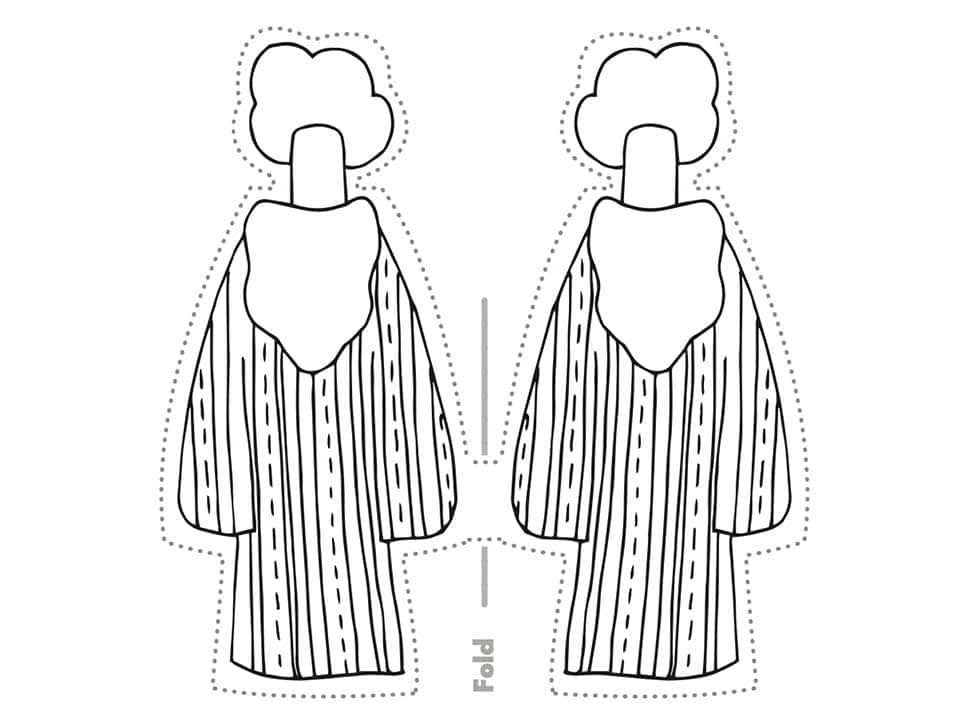
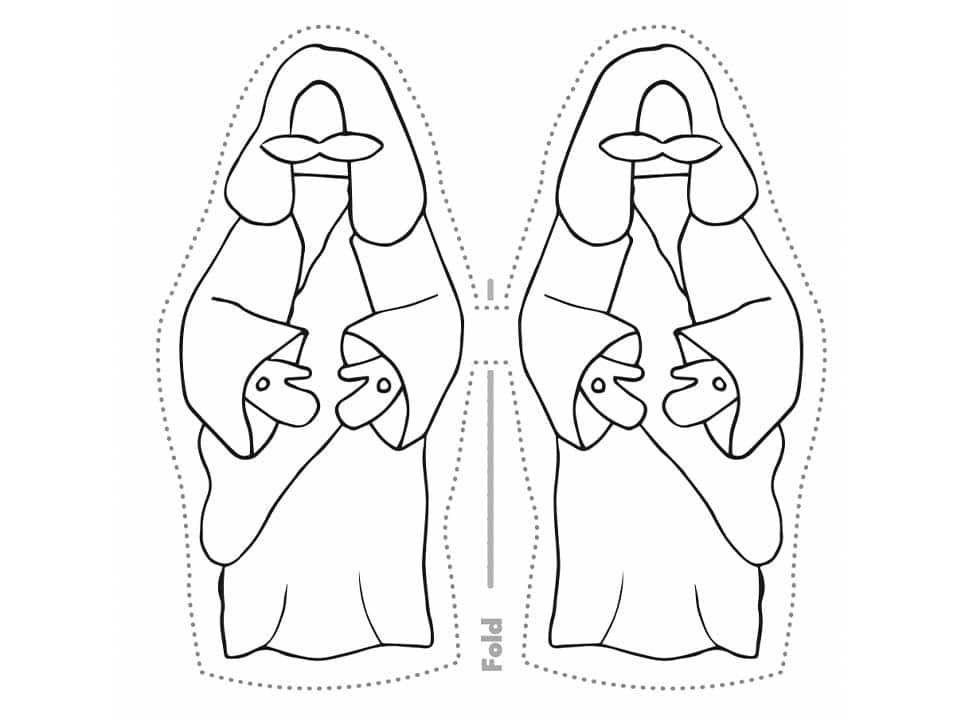
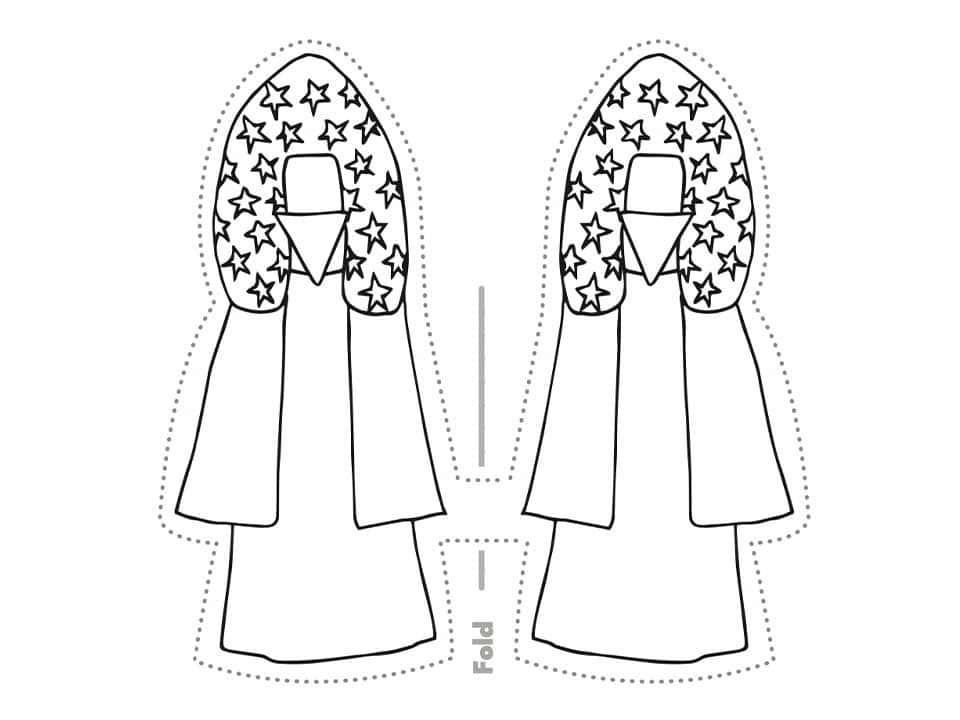
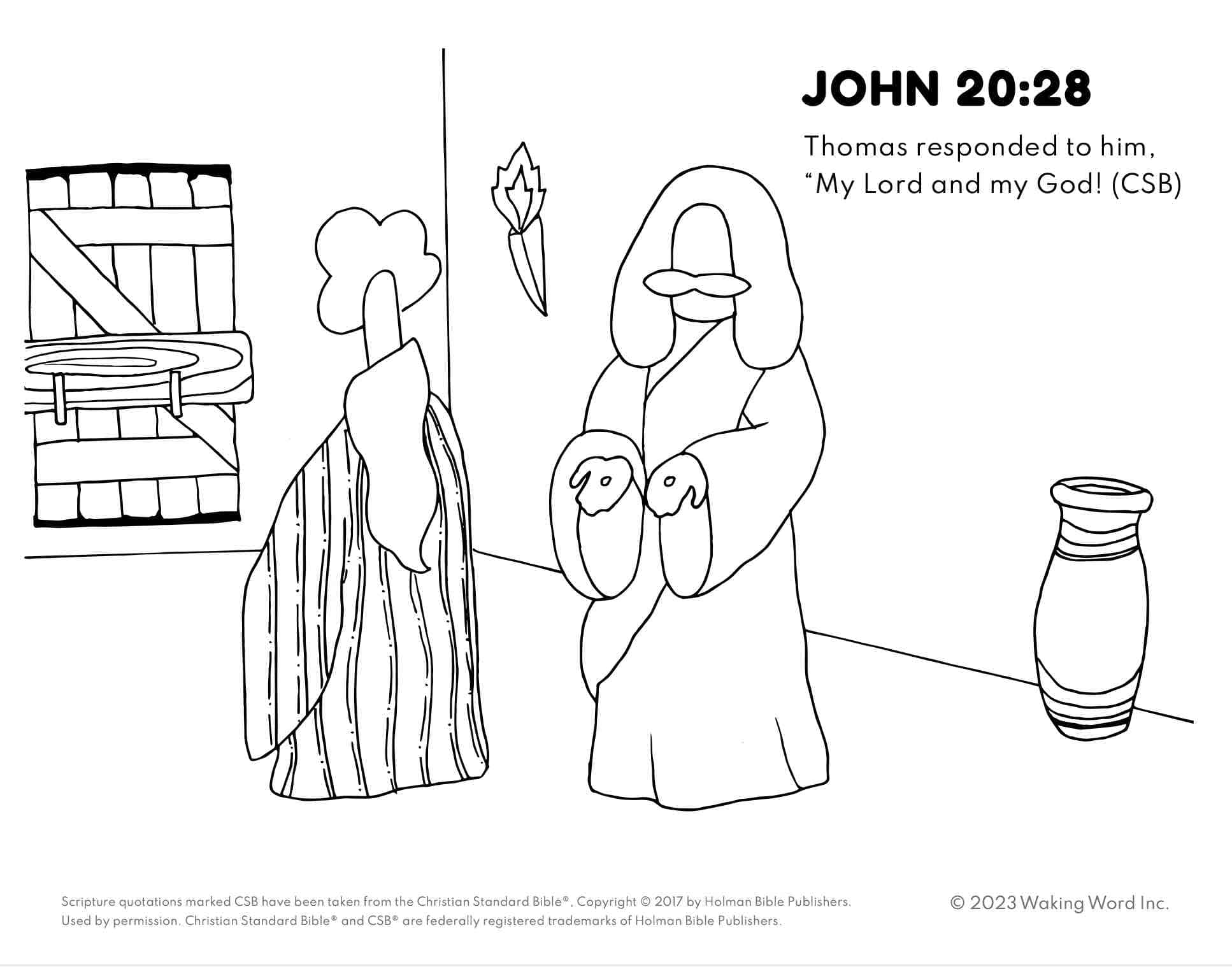
Free Doubting Thomas Coloring Page
Bonus Content
Memory Verse
“Jesus said to him, ‘Blessed are those who have not seen and yet have believed.’” — John 20:29
Tip: Practice this verse by saying it aloud three times or writing it on your handprint craft!

Fun Fact About the Story
Thomas is often called “Doubting Thomas,” but his real nickname in the Bible was “the Twin” (Didymus in Greek), though we don’t know who his twin was! His bold declaration, “My Lord and my God!” after seeing Jesus, is one of the strongest confessions of Jesus’ divinity in the Gospels, showing how his doubt led to a powerful testimony.
Bible Verses for Further Study
- John 11:16: Thomas shows his loyalty to Jesus earlier in the Gospel.
- John 14:5: Thomas asks Jesus a question, showing his curiosity.
- 1 Peter 1:8-9: Peter talks about believing without seeing, echoing Jesus’ words.
- Hebrews 11:1: Defines faith as confidence in things unseen, connecting to Thomas’ lesson.
Doubting Thomas Story Summary
In the story of Doubting Thomas, Jesus appears to His disciples after His resurrection, but Thomas, absent at first, doubts their testimony, insisting he must see and touch Jesus’ wounds to believe. A week later, Jesus graciously appears again, inviting Thomas to touch His wounds, leading Thomas to proclaim, “My Lord and my God!” Jesus blesses those who believe without seeing, teaching three key lessons: faith trusts God beyond what we see, missing fellowship can cost us joy, and Jesus cares for the weak, transforming them into witnesses. This story encourages children to trust Jesus, value fellowship, and know that God meets them in their doubts.
Good Words to Know
- Resurrection: When Jesus came back to life after being dead for three days.
- Disciple: A follower or student of Jesus who helped spread His teachings.
- Faith: Believing in something or someone without needing physical proof.
References
- The Bible, John 20:19-29.
- Henry, Matthew, Commentary on the Whole Bible, John 20:24, Public Domain.
- Spurgeon, Charles Haddon, “My Lord and My God,” Sermon #1757, delivered April 13, 1884, Metropolitan Tabernacle Pulpit, Volume 30.
- Maclaren, Alexander, Expositions of Holy Scripture: John, Public Domain.
4 thoughts on “Doubting Thomas Free Lessons, Crafts, and Activities (Guide)”
Comments are closed.